In today’s rapidly evolving biomass and renewable energy industry, efficiency, consistency, and cost-effectiveness are key factors for success. One machine that plays a central role in achieving these goals is the Hammer Mill for Pellet Plant. Often considered the heart of the size reduction process, a hammer mill ensures that raw materials are properly prepared before pelletization. Without it, producing high-quality pellets would be nearly impossible.
Understanding the Role of a Hammer Mill in Pellet Plants
A hammer mill is a powerful grinding machine designed to reduce large biomass materials into smaller, uniform particles. In a pellet plant, raw materials such as agricultural waste, wood chips, straw, and husk need to be finely ground before entering the pellet mill. This is where the Hammer Mill for Pellet Plant becomes essential.
The machine operates using high-speed rotating hammers that strike the material, breaking it down into fine particles. These particles pass through a screen, ensuring consistent size, which is crucial for producing dense and durable pellets.
Why Size Reduction Matters in Pellet Production
Size reduction is not just a preparatory step—it directly impacts the quality of the final product. Uniform particle size ensures:
Better compression during pellet formation
Improved binding of biomass materials
Higher pellet density and durability
Reduced wear and tear on pellet machines
A well-functioning Hammer Mill for Pellet Plant guarantees that raw materials meet the required specifications, making the pelletization process smoother and more efficient.
Key Advantages of Using a Hammer Mill for Pellet Plant
1. Consistent Particle Size
Consistency is critical in pellet production. A hammer mill ensures uniform grinding, which leads to better pellet quality and reduced production losses.
2. High Efficiency and Throughput
Modern hammer mills are designed to handle large volumes of biomass with minimal energy consumption. This high efficiency makes them indispensable in large-scale pellet plants.
3. Versatility in Raw Materials
Whether it’s wood chips, crop residues, or agro-waste, a Hammer Mill for Pellet Plant can process a wide range of materials. This flexibility allows manufacturers to adapt to different feedstocks based on availability.
4. Improved Pellet Quality
Fine and uniform particles improve the binding process during pelletization, resulting in stronger and more durable pellets with fewer cracks or breakage.
5. Reduced Operational Costs
Efficient grinding reduces energy consumption in downstream processes and minimizes maintenance requirements for pellet mills, leading to overall cost savings.
How Hammer Mills Enhance Pellet Plant Performance
A pellet plant operates as an integrated system, where each machine depends on the performance of the others. The hammer mill directly influences:
Pellet Mill Efficiency: Properly ground material reduces resistance during compression.
Drying Process: Smaller particles dry more evenly and quickly.
Storage and Handling: Uniform material is easier to transport and store.
By ensuring optimal input quality, the Hammer Mill for Pellet Plant improves the overall productivity and reliability of the plant.
Technological Advancements in Hammer Mills
Modern hammer mills have evolved significantly with advanced features that enhance performance and durability. These include:
Precision-engineered hammers for uniform grinding
Adjustable screens for controlling output size
High-speed rotors for efficient material breakdown
Dust control systems to maintain a clean working environment
Such innovations make the Hammer Mill for Pellet Plant more efficient, reliable, and suitable for continuous industrial use.
Environmental Benefits
Using a hammer mill in pellet plants also contributes to environmental sustainability. By converting agricultural and forestry waste into usable fuel, pellet plants reduce dependency on fossil fuels. The hammer mill ensures that waste materials are effectively processed, minimizing resource wastage.
Additionally, efficient grinding reduces energy consumption and emissions, making the entire pellet production process more eco-friendly.
Challenges and Considerations
While hammer mills offer numerous benefits, proper operation and maintenance are essential to maximize their performance. Some key considerations include:
Regular inspection of hammers and screens
Ensuring proper lubrication of moving parts
Avoiding overloading to prevent machine wear
Selecting the right screen size for desired output
Investing in a high-quality Hammer Mill for Pellet Plant and maintaining it properly ensures long-term efficiency and reliability.
The Backbone of Modern Pellet Plants
The term “backbone” is not used lightly. The hammer mill supports the entire pellet production process by preparing raw materials to the exact specifications required for pelletization. Without it, achieving consistent quality and high production efficiency would be extremely difficult.
From improving pellet strength to enhancing plant productivity, the Hammer Mill for Pellet Plant plays a vital role in every stage of the process. Its importance continues to grow as industries move toward sustainable energy solutions.
Conclusion
As the demand for biomass pellets continues to rise, the need for efficient and reliable machinery becomes more critical. The hammer mill stands out as a fundamental component that ensures the success of modern pellet plants. Its ability to deliver consistent, high-quality raw material preparation makes it indispensable in today’s competitive market.
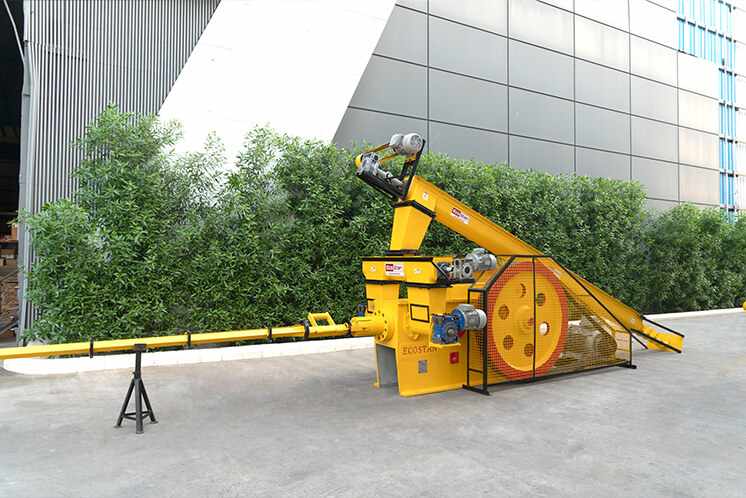
When it comes to advanced biomass machinery, Ecostan Machines has established itself as a trusted name in the industry. Known for manufacturing high-performance equipment, Ecostan Machines offers robust and efficient hammer mills designed specifically for pellet plants. Their machines are engineered for durability, precision, and optimal output, helping businesses achieve higher productivity and better pellet quality. With a strong commitment to innovation and sustainability, Ecostan Machines continues to support industries in transforming biomass waste into valuable energy resources.


Write a comment ...