Cow dung is no longer just farm waste. Across India, entrepreneurs are turning it into a profitable raw material for eco-friendly wooden logs, and the machine that makes this possible is the Gobar Se Lakdi Banne Ki Machine. These machines convert cow dung into solid, dense logs that can be used as an alternative fuel source for cremation purposes, industrial boilers, and even rural heating needs. As demand for sustainable and low-cost fuel alternatives grows, more people are investing in this business. But choosing the right machine is not always simple, since there are dozens of models, capacities, and manufacturers in the market. This guide will help you understand exactly what to look for before making a purchase decision.
Why This Business Is Growing
Before diving into machine selection, it helps to understand why the demand for dung-based logs is rising. Traditional wood is becoming expensive and harder to source due to deforestation concerns, while cow dung is abundantly available in almost every village and dairy farm in India. A Gobar Se Lakdi Banane Ki Machine transforms this otherwise wasted material into a usable, saleable product. These logs burn longer, produce less smoke compared to raw dung cakes, and are increasingly used in religious ceremonies, crematoriums, and rural cooking applications. For small entrepreneurs, dairy farm owners, and rural business setups, this is turning into a low-investment, high-return opportunity.
Key Factors to Consider Before Buying
1. Production Capacity
The first thing to evaluate is how many kilograms of logs the machine can produce per hour. Machines typically range from small units producing 100-200 kg/hour to industrial-scale units capable of producing 1000 kg/hour or more. If you are starting small, a compact machine with lower capacity might be sufficient. However, if you plan to supply to crematoriums, temples, or bulk buyers, you will need a higher-capacity unit right from the start to avoid a costly upgrade later.
2. Moisture Content Handling
Cow dung naturally has high moisture content, and the machine you choose must be capable of processing it efficiently without requiring excessive pre-drying. Some advanced machines come with built-in dryers or are designed to work with semi-dried dung, reducing the overall processing time and labor cost. Ask the manufacturer about the ideal moisture percentage required for smooth operation, and confirm whether the machine can handle variations during different seasons.
3. Motor Power and Build Quality
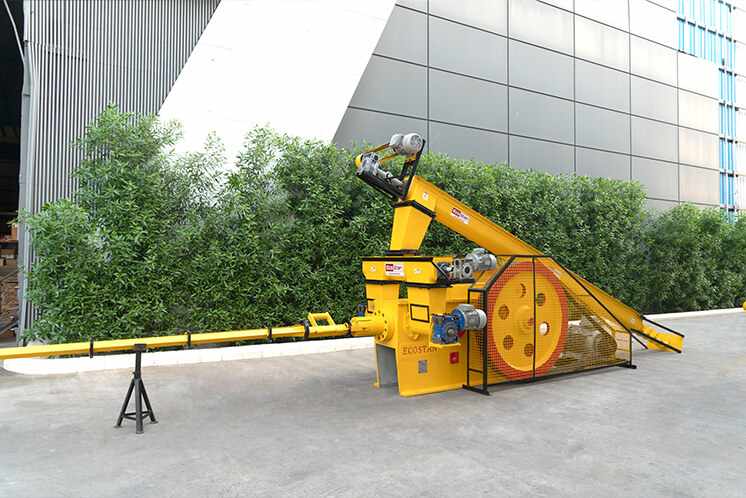
The motor is the heart of any Gobar Se Lakdi Banne Ki Machine. A higher horsepower motor generally means better compression, which results in denser, longer-lasting logs. Check whether the machine body is made of heavy-duty steel, as this affects durability, especially since dung is abrasive and can cause quicker wear on lower-quality materials. Machines built with industrial-grade components tend to have a longer operational life and require less frequent maintenance.
4. Automation Level
Machines vary from fully manual setups to semi-automatic and fully automatic systems. A fully automatic machine reduces labor dependency, speeds up production, and ensures consistent log quality, but it comes at a higher price point. Semi-automatic machines strike a balance between cost and efficiency, making them a popular choice for small and medium businesses. Consider your available manpower and budget when deciding on the automation level.
5. Power Consumption
Since electricity costs directly affect your profit margins, always ask for the power rating of the machine and calculate the expected monthly electricity expense based on your planned working hours. Energy-efficient machines may have a slightly higher upfront cost but can save significant money over the long run, especially for businesses running multiple shifts.
6. After-Sales Support and Spare Parts Availability
A machine is only as good as the support behind it. Before buying, check whether the manufacturer offers installation assistance, training for operators, and easy availability of spare parts. Machines that require imported or hard-to-find parts can lead to long downtime periods in case of a breakdown, directly affecting your production schedule and revenue.
7. Price and Return on Investment
While price should never be the only deciding factor, it is important to compare quotes from multiple manufacturers and understand what is included in that price. Some sellers offer a lower base price but charge extra for installation, training, or transportation. Calculate the total cost of ownership, including maintenance and operating expenses, to get a realistic picture of your return on investment.
Choosing a Reliable Manufacturer
Once you understand the technical specifications, the next big decision is selecting the right supplier. When searching for a Gobar Se Lakdi Banne Ki Machine Manufacturer, look for companies with a proven track record, verifiable client references, and transparent pricing. Visiting the manufacturing facility, if possible, or requesting a live demonstration video can help you assess build quality before committing. Reputed manufacturers are usually willing to answer detailed technical questions and provide documentation on machine specifications, warranty terms, and maintenance schedules.
It also helps to check online reviews, ask for testimonials from existing customers, and confirm whether the manufacturer provides installation support at your business location. A manufacturer who understands the regional market conditions, such as dung availability patterns and seasonal demand fluctuations, can offer more practical guidance than one operating purely on generic specifications.
Common Mistakes to Avoid
Many first-time buyers make the mistake of choosing the cheapest available machine without checking build quality, which often leads to frequent breakdowns and higher long-term costs. Others underestimate the required production capacity and end up needing an upgrade within a year of operation. It is also common to overlook after-sales service, only to struggle later when a part fails and no local support is available. Taking time to research thoroughly before purchase can save significant money and operational headaches down the line.
Conclusion
Selecting the right dung-to-log machine requires careful evaluation of capacity, build quality, automation level, and manufacturer reliability. Taking the time to compare options and ask the right questions before purchase can make the difference between a smooth, profitable operation and a frustrating investment.
If you are looking for a trusted name in this space, Ecostan Machines is a manufacturer known for building reliable, durable, and efficient machines tailored to different business scales, from small rural setups to large commercial operations. With a focus on sturdy construction, energy-efficient designs, and dedicated after-sales support, Ecostan Machines has helped numerous entrepreneurs across India set up successful cow dung log manufacturing businesses. Whether you are just starting out or looking to scale an existing operation, Ecostan Machines offers guidance and machine options suited to your specific production needs and budget.

Write a comment ...