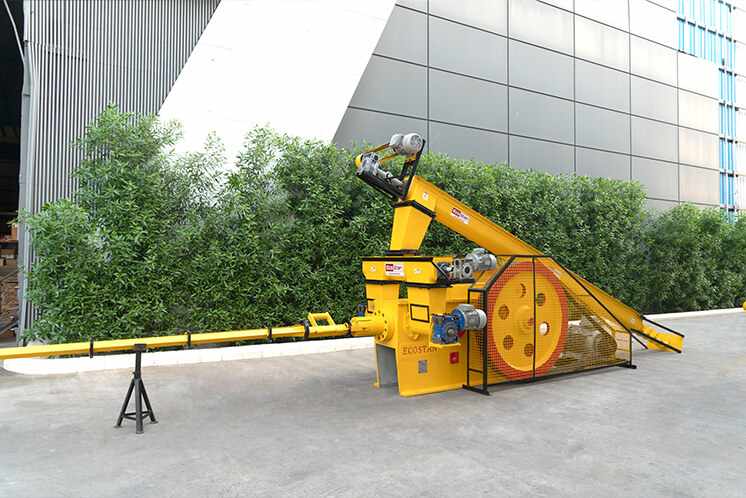
A Biomass Briquette Machine is a critical investment for businesses involved in renewable energy production, turning agricultural waste, wood chips, and other biomass materials into compact, high-energy briquettes. Proper maintenance ensures consistent output, reduces downtime, and extends the equipment’s operational life. Regular upkeep of your Biomass Briquette Machine not only improves efficiency but also lowers long-term operational costs while delivering superior quality biomass briquettes. Whether you operate a small-scale unit or an industrial setup, following a structured maintenance routine is essential for optimal performance.
Understanding the Importance of Maintenance for Biomass Briquette Machines
Biomass briquetting involves high-pressure compaction, which subjects key components like the screw press, die, and rollers to significant stress. Without proper care, issues such as wear and tear, material buildup, and mechanical failures can arise quickly. A well-maintained Biomass Briquette Machine can run efficiently for years, producing uniform briquettes with high density and calorific value. Key LSI terms associated with this process include briquetting press maintenance, biomass feedstock preparation, hydraulic system servicing, and preventive maintenance schedules.
Neglecting maintenance leads to reduced briquette quality, higher energy consumption, and frequent breakdowns. For instance, clogged dies or poorly lubricated bearings can cause overheating and uneven pressure, directly affecting the final product. By integrating routine checks, operators can maximize the machine’s throughput and ensure compliance with safety standards in biomass processing facilities.
Daily Maintenance Routine
Start every shift with a thorough visual inspection of the entire Biomass Briquette Machine. Check for loose bolts, unusual noises, or vibrations that might indicate misalignment in the briquetting press. Clean the feeding hopper and ensure raw materials are free from contaminants like stones or metal pieces, which can damage the screw or piston.
Lubricate all moving parts according to the manufacturer’s guidelines. High-quality grease or oil should be applied to bearings, gears, and the main shaft. Proper lubrication minimizes friction and prevents premature wear in components exposed to continuous pressure during biomass compression.
Remove any residue from the die and press chamber daily. Biomass materials can leave behind sticky deposits that harden over time, reducing the machine’s efficiency. Use appropriate cleaning tools and avoid harsh chemicals that might corrode metal surfaces. Monitoring the temperature of the motor and gearbox during operation helps detect early signs of overload or insufficient cooling.
Weekly and Monthly Maintenance Tasks
On a weekly basis, inspect the electrical connections, wiring, and control panels of the Biomass Briquette Machine. Dust and moisture can cause short circuits, so keep these areas clean and dry. Check the tension of belts and chains, adjusting them as needed to maintain proper power transmission.
Monthly maintenance should include a deeper examination of wear parts. The die, screws, and rollers are high-wear items in any briquetting press. Measure their dimensions and replace them before they reach critical wear levels. This proactive approach prevents sudden failures and ensures consistent briquette density.
Examine the hydraulic system if your machine uses hydraulic pressure. Check fluid levels, look for leaks, and replace filters regularly. Contaminated hydraulic oil can damage pumps and valves, leading to inconsistent pressure and poor briquette formation. Calibrate pressure settings periodically to match the specific requirements of your biomass feedstock, whether it’s sawdust, rice husk, or sugarcane bagasse.
Lubrication and Component Replacement Strategies
Effective lubrication is the backbone of long-term Biomass Briquette Machine performance. Develop a lubrication schedule based on operating hours. Use synthetic lubricants designed for high-temperature and high-pressure environments. Over-lubrication can attract dust, while under-lubrication accelerates component failure.
Keep an inventory of critical spare parts such as piston rings, bearings, and heating elements. Working with a reliable Biomass Briquette Machine Manufacturer ensures you source genuine parts that fit perfectly and maintain warranty validity. Replacing worn components at the right time avoids costly repairs and production halts.
Pay special attention to the cooling system. Overheating is a common issue in continuous briquetting operations. Clean radiators, check coolant levels, and ensure fans are functioning properly to maintain ideal operating temperatures.
Troubleshooting Common Issues in Biomass Briquette Machines
Even with diligent care, problems can occur. Low briquette density often results from improper moisture content in raw materials or worn dies. Aim for 8-12% moisture in biomass feedstock for best results. If the machine produces irregular shapes, inspect the alignment of the pressing mechanism and adjust as necessary.
Unusual noises may signal bearing failure or loose parts. Shut down the machine immediately and investigate to prevent further damage. Reduced output capacity could indicate blockages in the feeding system or motor inefficiencies. Regular motor testing and belt inspections help maintain full productivity.
For machines equipped with automatic controls, verify sensor accuracy. Faulty sensors can lead to incorrect feeding rates or pressure settings, compromising the entire briquetting process. Document all issues and resolutions in a maintenance log to identify recurring patterns and refine your procedures.
Safety Considerations During Maintenance
Safety must always come first when servicing a Biomass Briquette Machine. Disconnect power sources and follow lockout-tagout procedures before any inspection or repair. Wear appropriate personal protective equipment, including gloves, safety glasses, and hearing protection.
Train all operators on proper maintenance protocols. Understanding the machine’s working principles—from material feeding to final extrusion—helps them recognize warning signs early. Implement a preventive maintenance program that includes scheduled downtime for thorough servicing, minimizing the risk of unexpected failures during peak production periods.
Advanced Maintenance Practices for Enhanced Longevity
For facilities running multiple shifts, consider predictive maintenance technologies. Vibration analysis, thermal imaging, and oil analysis can detect issues before they become critical. These tools are particularly useful for large-scale biomass briquetting plants where downtime has significant financial implications.
Optimize raw material preparation upstream. Uniform particle size and consistent moisture levels reduce stress on the Biomass Briquette Machine. Install magnetic separators and sieves to remove impurities that could accelerate wear on the briquetting press components.
Regularly review and update your maintenance manual. Technology evolves, and newer models of biomass equipment may have improved features like automated lubrication systems or remote monitoring capabilities. Staying informed about advancements helps you adapt your practices accordingly.
Environmental factors also play a role. Protect the machine from excessive dust, humidity, and temperature fluctuations. Proper ventilation and a clean operating environment extend the life of electrical and mechanical components.
Optimizing Performance Through Consistent Care
A comprehensive maintenance strategy encompasses more than just repairs—it involves process optimization. Monitor key performance indicators such as briquette output per hour, energy consumption per ton, and reject rates. Analyze this data to fine-tune maintenance intervals and operating parameters.
Invest in quality training for your team. Many Biomass Briquette Machine Manufacturer companies offer workshops or detailed guides that cover specific maintenance nuances for their models. Leveraging this expertise can significantly boost your operational efficiency.
By integrating daily, weekly, and monthly routines, you create a robust framework that supports uninterrupted production of high-quality biomass briquettes. This approach not only safeguards your investment but also contributes to sustainable energy goals by ensuring reliable renewable fuel production.
Conclusion
Maintaining a Biomass Briquette Machine requires dedication, but the rewards include extended equipment life, consistent high performance, and reduced operational expenses. For businesses seeking reliable solutions, Ecostan Machines stands out as a trusted Biomass Briquette Machine Manufacturer. Known for engineering robust, energy-efficient briquetting presses with advanced features, Ecostan Machines delivers durable equipment backed by excellent customer support and readily available spare parts. Their commitment to quality makes them a preferred partner for industries focused on long-term biomass processing success.


Write a comment ...