In today’s world, environmental pollution has become one of the biggest challenges for industries and governments alike. Rapid industrialization, deforestation, and the excessive use of fossil fuels have significantly increased air pollution, land degradation, and greenhouse gas emissions. As industries search for cleaner and more sustainable alternatives, biomass fuel production has emerged as an effective solution. One of the most important technologies supporting this green movement is the White Coal Machine.

A White Coal Machine converts agricultural and forestry waste into high-density biomass briquettes, also known as white coal. These briquettes are eco-friendly, renewable, and capable of replacing traditional fossil fuels like coal, furnace oil, and wood. By transforming waste materials into useful fuel, white coal machines play a major role in reducing environmental pollution while promoting sustainable energy practices.
What Is a White Coal Machine?
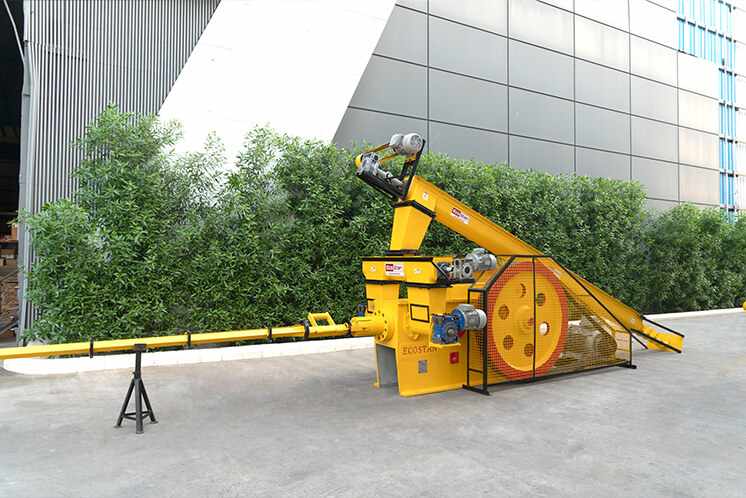
A White Coal Machine is an industrial machine designed to compress biomass waste into solid briquettes. The machine uses high pressure and advanced technology to produce compact fuel blocks without adding harmful chemicals or binders.
Raw materials commonly used in white coal production include:
Sawdust
Rice husk
Groundnut shells
Sugarcane bagasse
Cotton stalks
Wood chips
Agricultural residues
Forestry waste
These materials are often discarded or burned openly, causing severe environmental pollution. A white coal machine converts this waste into a valuable energy source that can be used in boilers, furnaces, and industrial heating systems.
Reduction in Air Pollution
One of the biggest environmental benefits of a White Coal Machine is its contribution to reducing air pollution. Traditional fossil fuels release harmful gases such as sulfur dioxide, carbon monoxide, and large amounts of carbon dioxide during combustion. Open burning of agricultural waste also creates thick smoke and dangerous particulate matter.
White coal briquettes, however, burn cleaner and produce significantly lower emissions. Since biomass contains very low sulfur content, the combustion process generates less harmful smoke and fewer toxic gases.
Cleaner Combustion Process
White coal burns more efficiently because the briquettes are dense and uniform in size. This ensures controlled combustion and reduces the release of harmful pollutants into the atmosphere.
Benefits include:
Lower smoke emissions
Reduced carbon monoxide release
Minimal sulfur emissions
Less particulate matter in the air
Improved air quality around industrial areas
As industries switch to biomass briquettes, the overall pollution caused by industrial heating systems decreases substantially.
Prevents Open Burning of Agricultural Waste
In many agricultural regions, farmers burn crop residue after harvesting because they lack proper waste management solutions. This practice contributes heavily to smog, respiratory illnesses, and environmental degradation.
A White Coal Machine offers an effective alternative by converting agricultural waste into useful fuel. Instead of burning crop residues in open fields, the waste can be collected and processed into biomass briquettes.
Environmental Benefits of Waste Utilization
Using agricultural waste for briquette production helps:
Reduce field burning
Lower greenhouse gas emissions
Minimize soil damage
Prevent smoke-related pollution
Promote cleaner farming practices
This sustainable approach not only protects the environment but also creates additional income opportunities for farmers and rural industries.
Reduces Dependence on Fossil Fuels
Fossil fuels such as coal and petroleum are major contributors to environmental pollution and climate change. Their extraction, transportation, and combustion release massive amounts of carbon emissions.
A White Coal Machine helps industries transition toward renewable energy by producing biomass briquettes that can replace conventional fuels. Since biomass is renewable and carbon-neutral, it significantly reduces the environmental impact of industrial fuel consumption.
Lower Carbon Footprint
Biomass briquettes release carbon dioxide during combustion, but the amount released is nearly equal to the carbon absorbed by plants during growth. This balanced carbon cycle makes white coal a cleaner fuel alternative.
As more industries adopt biomass fuel, overall carbon emissions can be reduced, helping fight global warming and climate change.
Promotes Waste Recycling
Industrial and agricultural waste disposal is a growing environmental concern. Large quantities of biomass waste often end up in landfills, creating methane emissions and occupying valuable land space.
A White Coal Machine supports recycling by converting waste into reusable fuel. This process helps industries follow eco-friendly waste management practices while reducing landfill pressure.
Common Waste Materials Recycled
The machine can efficiently process:
Wood waste
Crop residues
Coconut shells
Bamboo waste
Forestry leftovers
Peanut shells
Coffee husk
Instead of becoming pollutants, these materials are transformed into clean and renewable fuel briquettes.
Helps Control Deforestation
Traditional firewood consumption remains a major cause of deforestation in many regions. Cutting trees for fuel damages ecosystems, destroys wildlife habitats, and contributes to soil erosion.
White coal briquettes produced by a White Coal Machine serve as an alternative to firewood and charcoal. This reduces the need to cut trees for industrial and domestic fuel purposes.
Conservation of Natural Resources
By replacing wood-based fuels, biomass briquettes help:
Preserve forests
Protect biodiversity
Reduce soil erosion
Maintain ecological balance
Support sustainable resource management
The use of white coal encourages industries to adopt greener fuel practices without harming natural ecosystems.
Energy-Efficient Fuel Production
Modern White Coal Machine systems are designed for efficient fuel production with minimal energy consumption. Advanced briquetting technology ensures high production output while maintaining fuel quality.
Advantages of Biomass Briquettes
White coal briquettes offer several operational benefits:
High calorific value
Low moisture content
Longer burning time
Easy storage and transportation
Reduced ash generation
These qualities make biomass briquettes a practical and environmentally friendly fuel option for various industries.
Supports Sustainable Industrial Development
Industries worldwide are under increasing pressure to adopt environmentally responsible practices. Governments and environmental agencies encourage businesses to reduce emissions and use renewable energy sources.
Installing a White Coal Machine helps industries move toward sustainable manufacturing by:
Lowering pollution levels
Utilizing renewable biomass resources
Improving waste management
Reducing fuel costs
Meeting environmental regulations
This not only benefits the environment but also improves the long-term sustainability of industrial operations.
Economic and Environmental Advantages
Apart from reducing pollution, white coal production also creates economic opportunities. Biomass briquette manufacturing plants generate employment in rural areas and support local economies.
Key Economic Benefits
Additional income from agricultural waste
Lower fuel expenses for industries
Increased demand for biomass materials
Job creation in biomass processing units
Reduced dependency on imported fuels
The combination of environmental and economic benefits makes white coal technology highly valuable for modern industries.
Future of White Coal Technology
As environmental concerns continue to rise, the demand for renewable energy solutions is expected to grow rapidly. Biomass briquetting technology is becoming increasingly important in promoting cleaner fuel alternatives.
Future advancements in White Coal Machine technology may include:
Higher production efficiency
Fully automated operations
Lower energy consumption
Improved briquette quality
Smart monitoring systems
These innovations will further strengthen the role of biomass fuel in reducing environmental pollution and supporting sustainable development.
Conclusion
The growing environmental challenges caused by fossil fuels and waste pollution have made renewable energy solutions more important than ever. A White Coal Machine plays a crucial role in converting agricultural and forestry waste into clean, efficient, and eco-friendly biomass fuel. By reducing air pollution, preventing open waste burning, minimizing deforestation, and lowering carbon emissions, these machines contribute significantly to environmental protection.
Ecostan Machines has established itself as a trusted name in biomass and recycling machinery manufacturing. The company provides advanced and high-performance white coal solutions designed to support sustainable fuel production and efficient waste management. With a strong focus on innovation, durability, and environmental responsibility, Ecostan Machines continues to help industries adopt cleaner energy alternatives while promoting a greener future.

Write a comment ...